Chef Base Fridge Buying Guide for Busy Kitchens
Chef Base Fridge Buying Guide for Busy Kitchens
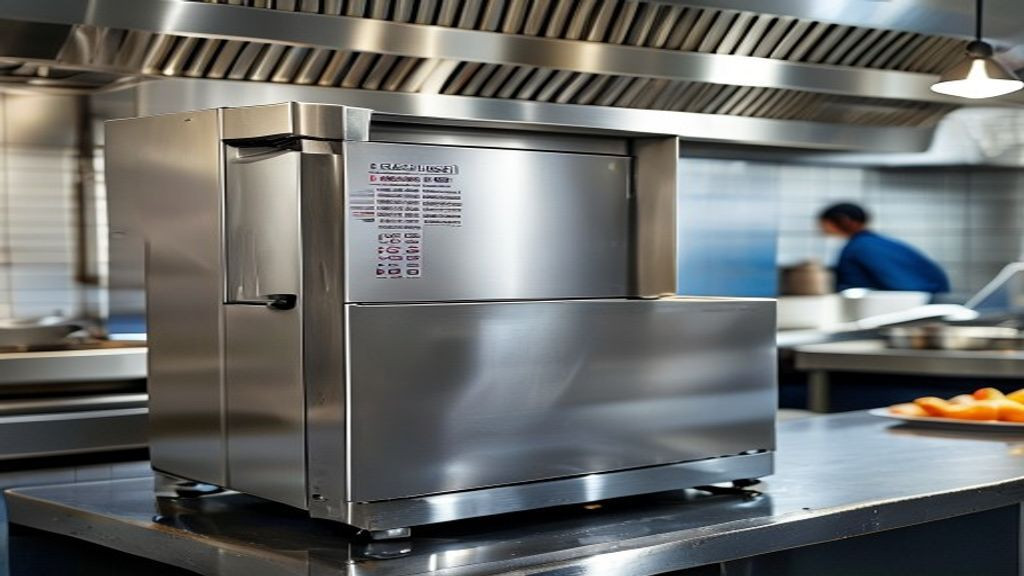
A chef base fridge keeps ingredients chilled right under your cookline, so cooks can grab proteins, sauces, and garnishes without leaving the station. For restaurants, cafés, and catering kitchens, that short reach can speed up ticket times and cut food waste. For more background, see Learn more about chef base fridge.
Unlike a standard reach-in cooler, a chef base fridge is built to sit under griddles, fryers, and ranges while holding a heavy cooking load on top. Choosing the right model means balancing drawer capacity, cooling strength, and the footprint of your line.
This guide from Chef Base Refrigerator Guides walks through what a chef base fridge is, how to size one, and how to keep it running reliably during peak service.
What Is a Chef Base Fridge?
A chef base fridge is a low-profile commercial refrigerator designed to support cooking equipment on its top surface while storing cold food in drawers or doors below. Most units use a stainless steel exterior, heavy-duty casters, and a reinforced top rated for substantial weight.
Because storage sits at cook height, teams can stage portioned proteins, prepped vegetables, and finishing sauces within arm’s reach. That layout reduces trips to a walk-in and helps keep the line organized during rushes.
Chef Base Fridge vs. Undercounter Refrigerator
An undercounter refrigerator cools food in a compact cabinet but is not built to carry a full cooktop or griddle. A chef base fridge has a reinforced top, often rail or pan options for staging, and a chassis meant for constant heat and foot traffic on a busy cookline.
Who Benefits Most From a Chef Base Fridge
High-volume kitchens with sauté stations, flat-tops, or fryers gain the most. Independent restaurants, hotel banquet lines, and ghost kitchens also use chef base fridges when floor space is tight and every step counts.
How to Choose the Right Chef Base Fridge
Start with the cooking equipment you plan to place on top, then match width, depth, and weight capacity. Confirm that the top rating exceeds the combined weight of the appliance, pans, and any added accessories.
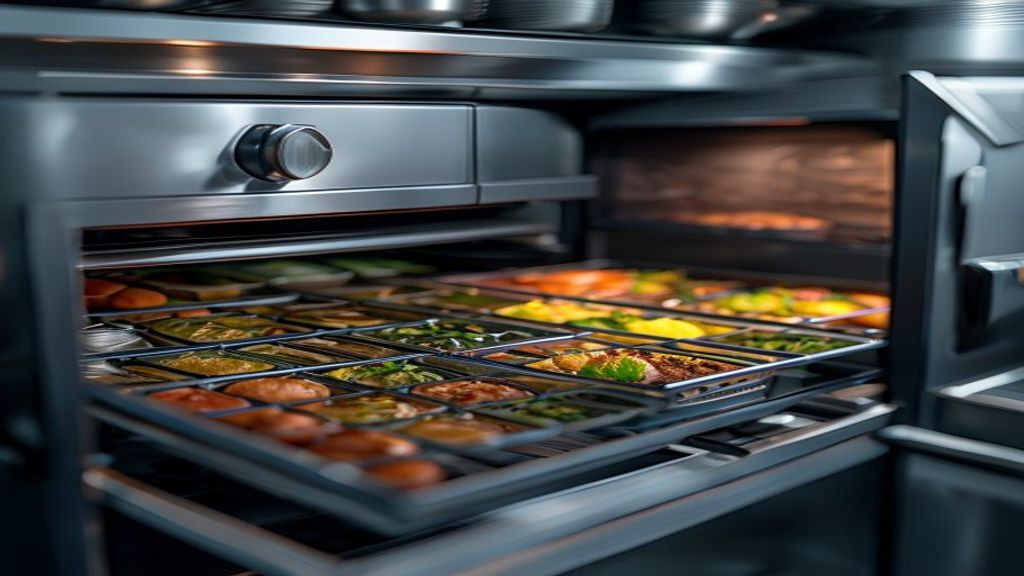
Next, decide how you will store product: full-extension drawers for pans of proteins, or door models for bulk containers. Drawer units usually suit cookline staging; door models can work when you need deeper boxes or taller pans.
Size, Capacity, and Drawer Layout
Common chef base fridge widths align with standard ranges and griddles, often from about 36 to 72 inches. Count the number of drawers or sections you need for raw proteins versus ready-to-cook mise en place, and leave room for labeled pans so opening time stays short.
Cooling Performance and Power Needs
Look for a commercial-rated refrigeration system that recovers temperature quickly after frequent drawer openings. Check BTU or horsepower guidance from the maker, confirm the correct voltage, and plan for adequate side and rear clearance so condensers can breathe in a hot kitchen.
Placement, Installation, and Daily Use Tips
Place the chef base fridge on a level floor beneath the intended cookline, lock the casters, and leave manufacturer-recommended clearance for airflow. Keep the unit away from steam tables, dishwashers, and direct sunlight that can force the compressor to work harder.
During service, keep drawers closed between pulls, store food in covered pans, and rotate older product forward. Assign one person to check temperatures at open and mid-shift so issues are caught before food safety is at risk.
Cleaning and Preventive Maintenance
Wipe spills daily, clean drawer tracks weekly, and clear dust from condenser coils on a set schedule. Gaskets should seal tightly; replace torn seals promptly to protect energy use and cold holding.
Common Mistakes to Avoid
Overloading drawers blocks airflow and slows recovery. Setting the thermostat too low wastes energy and can freeze delicate items. Skipping clearance around the condenser is another frequent cause of warm cabinets and early compressor wear.
Cost Factors and Long-Term Value
Price for a chef base fridge varies with width, drawer count, brand, and whether the unit is new or refurbished. Factor in installation, warranty length, and expected energy use, not only the sticker price.
A durable stainless unit that fits your cookline can pay for itself through faster plating, fewer walk-in trips, and better temperature control for high-cost proteins. Compare service networks in your area before you buy so repairs do not idle a station.
When to Repair vs. Replace
Repair makes sense for sealed-system issues still under warranty or for simple parts like gaskets and fans. Replace the unit when cooling recovery stays weak after service, rust compromises structure, or the top can no longer safely support your equipment.
Frequently Asked Questions
What is a chef base fridge used for?
A chef base fridge stores chilled ingredients directly under cookline equipment so cooks can access proteins, sauces, and prep without leaving the station.
Can I put a griddle or range on a chef base fridge?
Yes, if the model’s top weight rating and dimensions match your equipment. Always confirm manufacturer limits and use the correct mounting or rail setup.
How cold should a chef base fridge stay?
Most commercial kitchens aim to hold refrigerated food at 41°F (5°C) or below. Verify your local health code and check the unit’s thermometer during service.
Are chef base fridge drawers better than doors?
Drawers are usually better for pan staging on a cookline. Doors can be useful for bulk containers, but drawers tend to limit cold air loss during quick pulls.
How often should I clean a chef base fridge?
Clean spills daily, sanitize food-contact surfaces regularly, and clean condenser coils on a routine schedule—often monthly in dusty kitchens, or as the maker advises.
What size chef base fridge do I need?
Match the fridge width to the cooking equipment above it, then choose drawer count based on how many pans of mise en place you stage during peak hours.
Conclusion
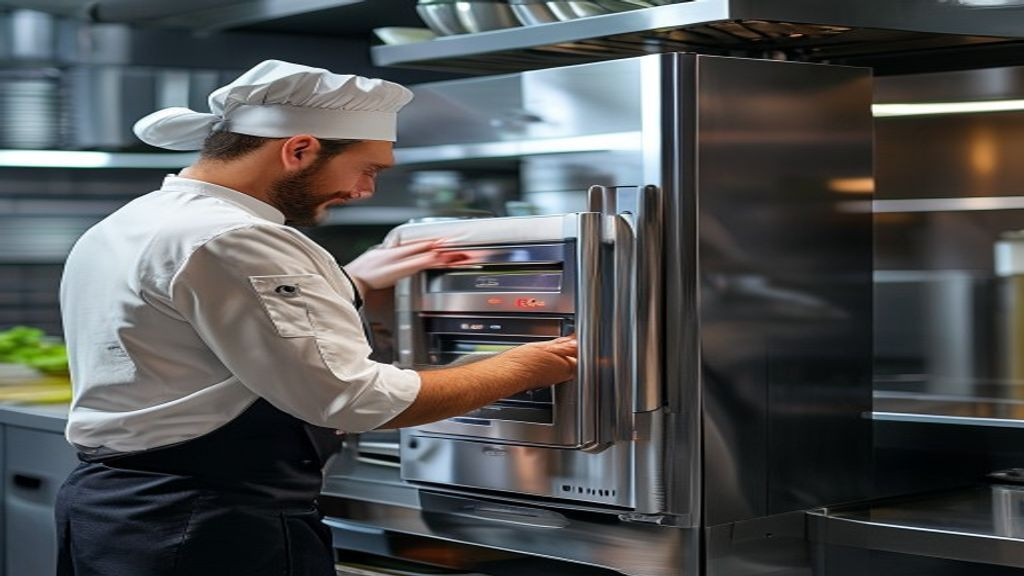
A well-chosen chef base fridge keeps cold storage where the work happens, which supports speed, food safety, and a cleaner cookline. Focus on fit, cooling recovery, and maintenance rather than features you will not use.
If you are ready to compare models, start with your cookline measurements and weight needs, then shortlist units that match both. Chef Base Refrigerator Guides can help you narrow options so you buy once and cook with confidence.
Looking for a ready-to-order option? Explore this chef base fridge on HorecaStore.


Comments
Post a Comment