Chef Base Refrigerator Buying Guide for Kitchens
Chef Base Refrigerator: Complete Buying and Buying Guide
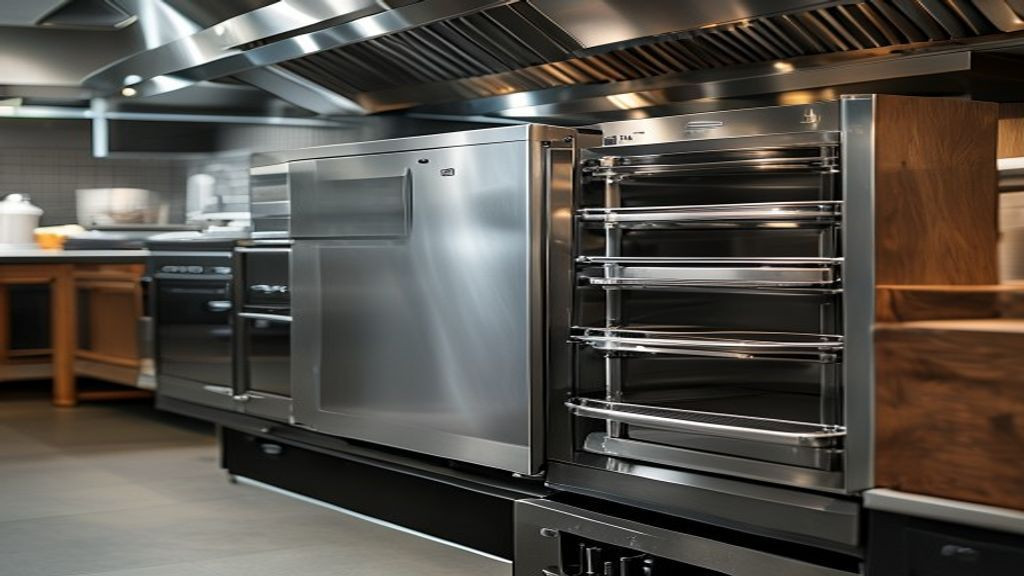
A chef base refrigerator is a low-profile commercial cooler built to hold ingredients under a cooking line while supporting heavy equipment on top. For busy kitchens, it keeps proteins, sauces, and prep items cold within arm’s reach of the range, griddle, or fryer. For more background, see Learn more about chef base refrigerator.
Choosing the right chef base refrigerator affects food safety, workflow speed, and equipment lifespan. This guide from Chef Base Refrigerator Guides explains how these units work, what to look for, and how to match one to your menu and kitchen layout.
Whether you run a restaurant, cafe, or catering kitchen, understanding capacity, refrigeration type, and construction details will help you buy with confidence and avoid costly mismatches.
What Is a Chef Base Refrigerator?
A chef base refrigerator is a refrigerated cabinet with drawers or doors, typically 17 to 26 inches tall, designed to sit under commercial cooking equipment. The top is reinforced to support ranges, charbroilers, or countertop appliances while the interior holds pans of chilled product.
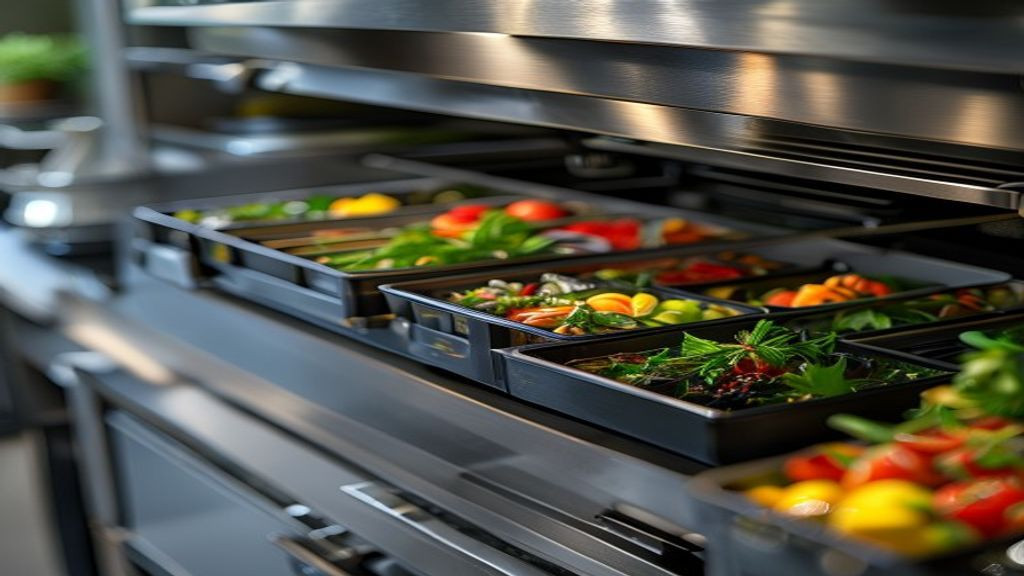
Unlike a standard reach-in, a chef base refrigerator prioritizes under-line storage and heat-resistant construction near hot equipment. Drawers often accept hotel pans so cooks can pull prepped items without leaving the cookline.
How a Chef Base Refrigerator Differs From Prep Tables
Prep tables focus on cutting and topping assembly with refrigerated wells on top. A chef base refrigerator focuses on cold storage underneath and a load-bearing top for cooking gear, so it serves a different role on the cookline.
Who Benefits Most From This Equipment
High-volume restaurants, steakhouses, short-order kitchens, and any operation that needs chilled proteins beside a hot cooktop gain the most from a well-chosen chef base refrigerator.
Key Features to Compare Before You Buy
Start with exterior dimensions, drawer or door configuration, and the weight rating of the top. Confirm that the chef base refrigerator can safely support your range or broiler and that drawers clear nearby legs, grease traps, and mop boards.
Next, review refrigeration performance: compressor location, BTU capacity, temperature range, and whether the unit is designed for high-ambient cookline heat. Stainless steel construction, sealed drawers, and easy-clean interiors reduce downtime and health-code issues.
Drawers, Doors, and Pan Capacity
Drawer models excel for portioned meats and mise en place; door models can hold deeper pans or bulk items. Match pan layouts to your busiest prep so a chef base refrigerator actually speeds service.
Cooling Power Near Hot Equipment
Cookline heat stresses refrigeration. Look for side-mounted or remote options, strong insulation, and published performance at elevated ambient temperatures so your chef base refrigerator holds safe cold temps during peak hours.
Sizing, Placement, and Installation Tips
Measure the cookline carefully, including height under equipment, depth from the wall, and clearance for drawer pulls. Leave space for ventilation, cord management, and routine cleaning behind and beside the unit.
Plan electrical needs early. Most chef base refrigerator models need a dedicated circuit and proper grounding. Level the cabinet so drawers seal tightly and the top sits flat under heavy equipment.
Matching Capacity to Your Menu
Count the pans you need for proteins, dairy, and sauces during a busy shift, then choose a chef base refrigerator with a little spare capacity for specials and rush periods.
Safety and Workflow Best Practices
Store raw proteins on lower drawers, label pans clearly, and avoid overpacking so cold air can circulate. Keep the top load within the manufacturer’s weight limit to protect the cabinet and cooking equipment.
Maintenance and Longevity Checklist
Wipe spills daily, clean gaskets weekly, and clear condenser coils on the schedule your manufacturer recommends. A clean condenser helps a chef base refrigerator run cooler, quieter, and more efficiently.
Watch for warm drawers, slow recovery after busy periods, or ice buildup. Early service prevents food loss and extends compressor life, especially in hot, greasy cookline environments.
When to Repair Versus Replace
Frequent compressor failures, rusted frames, or drawers that no longer seal often mean replacement is smarter than repair. Newer energy-efficient models can lower utility costs while improving cold holding.
Frequently Asked Questions
What is a chef base refrigerator used for?
It stores chilled ingredients under the cookline while supporting heavy cooking equipment on top, so cooks can grab proteins and prep items without leaving the range.
How much weight can a chef base refrigerator hold?
Capacity varies by model. Always check the manufacturer’s top load rating and match it to your range, broiler, or countertop equipment plus any accessories.
Do chef base refrigerators work well next to fryers and griddles?
Yes, when the unit is built for high-ambient kitchens. Strong insulation, proper ventilation, and adequate BTU capacity are essential for stable temperatures near hot equipment.
Should I choose drawers or doors on a chef base refrigerator?
Drawers are best for hotel pans and quick access during service. Doors can suit bulkier items. Many kitchens prefer drawers for cookline speed and organization.
How often should I clean a chef base refrigerator?
Clean interiors and spills daily, wipe gaskets regularly, and service condenser coils per the manual—often monthly in greasy kitchens—to protect performance and food safety.
What size chef base refrigerator do I need?
Base the size on cookline length, equipment footprint, and how many pans you must keep cold during peak service. Measure carefully and leave clearance for drawers and airflow.
Conclusion
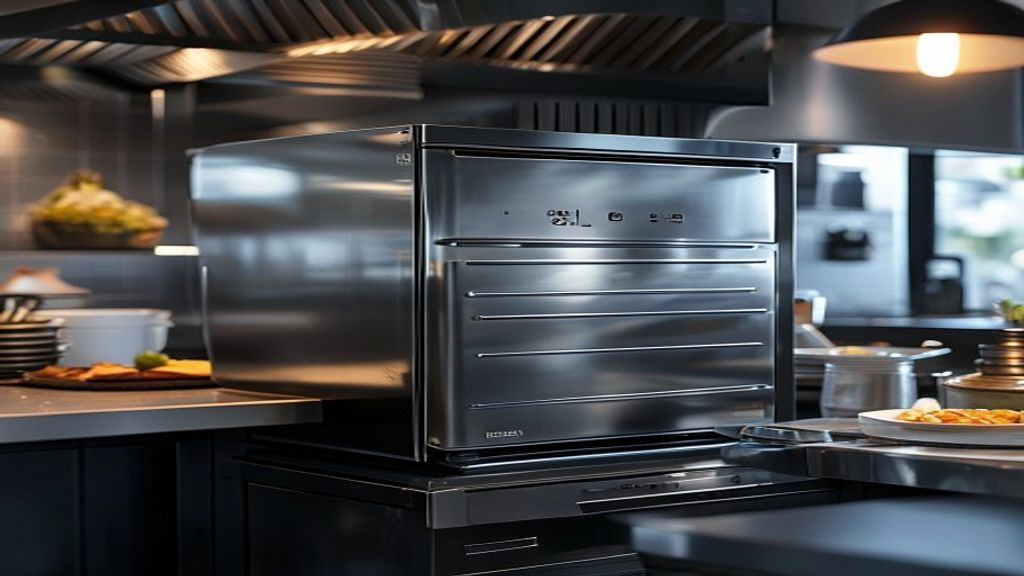
A chef base refrigerator keeps cold storage where cooks need it most—directly under the cookline—while supporting the equipment that drives service. Focus on size, load rating, cooling strength, and drawer layout to match your menu.
Use this guide from Chef Base Refrigerator Guides to compare models, plan installation, and set a simple maintenance routine. Choose thoughtfully now, and your kitchen will gain safer holding temps and faster ticket times for years.
Looking for a ready-to-order option? Explore this chef base refrigerator on HorecaStore.


Comments
Post a Comment