Chef Base Guide: Cooler Types, Uses & Buying Tips
Chef Base Refrigerator Guide for Commercial Kitchens
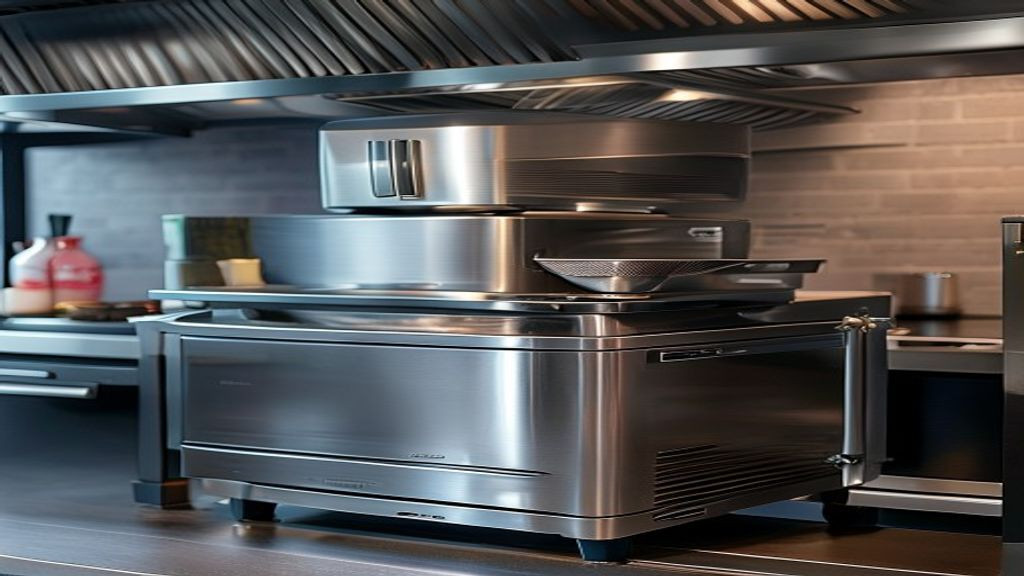
A chef base is a low-profile refrigerated unit designed to sit under a cooking line, grill, or prep station. It stores chilled ingredients within arm’s reach so cooks can work faster without constant trips to a walk-in or reach-in cooler. For more background, see Learn more about chef base.
For restaurants, catering kitchens, and food trucks, the right chef base refrigerator can improve workflow, food safety, and consistency during peak service. This guide from Chef Base Refrigerator Guides explains how these units work, which features matter most, and how to buy with confidence.
Whether you are replacing aging equipment or outfitting a new line, understanding chef base capacity, cooling performance, and layout fit will help you make a smarter long-term investment.
What Is a Chef Base and How Does It Work?
A chef base, sometimes called a chef base cooler or refrigerated chef base, is a commercial undercounter refrigerator built to support heavy cooking equipment on top. Drawers or doors below hold pans of proteins, sauces, toppings, and mise en place at safe cold temperatures.
Unlike a standard undercounter fridge, a chef base is engineered for heat exposure from grills, fryers, and ranges above it. Strong insulation, durable tops, and efficient refrigeration systems help protect food quality while the cooking line stays productive.
Chef Base vs. Undercounter Refrigerator
An undercounter refrigerator mainly stores cold product under a work surface. A chef base is built to hold the weight of cooktops or charbroilers and is often designed with drawer pans for rapid access during service. Choose a chef base when your cooking station needs both refrigerated storage and equipment support in one footprint.
Where Chef Bases Fit Best
Chef bases work well on sauté lines, grill stations, and expo areas where speed matters. They are also popular in high-volume kitchens that want to reduce walking distance between cold storage and the heat of the line.
Key Features to Compare Before You Buy
Not every chef base refrigerator is built for the same workload. Focus on cooling power, drawer or door configuration, exterior dimensions, and how easily the unit cleans and services in a busy kitchen.
Also consider energy use, noise level, and whether the top is reinforced for your specific equipment. Matching those details to your menu and station layout helps prevent costly fit issues after delivery.
Capacity, Drawers, and Pan Layout
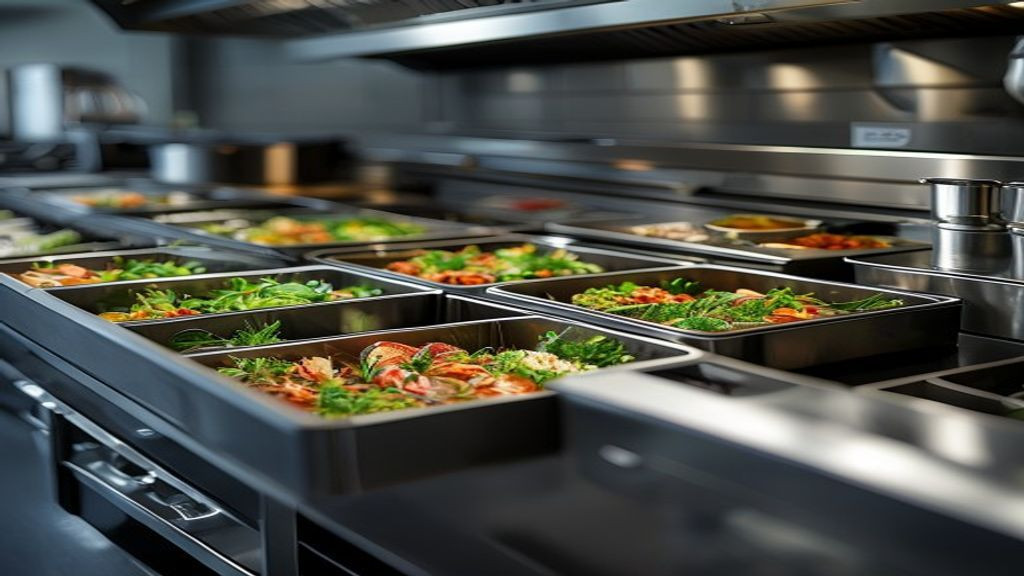
Look at total refrigerated volume and how many full-size or half-size pans each drawer can hold. Drawer systems usually speed service, while door models may offer more flexible storage for larger containers and backup product.
Cooling Performance and Durability
Choose a chef base with a refrigeration system rated for commercial kitchens and ambient heat near cooking equipment. Stainless steel construction, strong drawer slides, and accessible condenser filters make daily use and maintenance more reliable.
How to Choose the Right Chef Base for Your Kitchen
Start with your station footprint and the equipment that will sit on top. Measure width, depth, and height carefully, then confirm load capacity and ventilation clearances from the manufacturer.
Next, map your menu. If your line needs frequent access to portioned proteins and toppings, drawer chef bases often win. If you store bulk pans or taller containers, a door-style chef base may be more practical.
Sizing and Equipment Compatibility
Confirm that the chef base top can support the weight and heat output of your range, griddle, or charbroiler. Leave room for airflow and utility connections so the refrigerator can maintain temperature under real service conditions.
Budget, Energy Use, and Long-Term Value
A lower purchase price can cost more over time if the unit struggles in a hot kitchen or needs frequent repairs. Compare warranty coverage, energy ratings, and parts availability to estimate true ownership cost.
Care, Cleaning, and Food Safety Tips
A chef base only protects food if temperatures stay consistently cold and interiors stay clean. Assign daily wipe-downs, gasket checks, and condenser filter cleaning as part of opening and closing routines.
Use shallow pans, avoid overpacking drawers, and keep lids on product when practical. These habits help cold air circulate and reduce the risk of temperature abuse during rush periods.
Daily and Weekly Maintenance Checklist
Each day, check holding temperatures, clean spills, and inspect drawer seals. Weekly, clean the condenser area, verify that slides move smoothly, and confirm that the top surface remains level under cooking equipment.
Frequently Asked Questions
What is a chef base used for?
A chef base stores refrigerated ingredients directly under a cooking station so staff can plate and cook faster while keeping product at safe cold temperatures.
Can I put a grill or range on a chef base?
Yes, many chef bases are designed to support commercial cooking equipment, but you must verify weight capacity, heat tolerance, and installation requirements for your specific model.
Is a chef base better than a reach-in refrigerator?
A chef base is better for line-side access and speed. A reach-in is better for bulk storage. Many kitchens use both: reach-ins for backup inventory and a chef base for active mise en place.
How cold should a chef base refrigerator stay?
Most commercial chef base units are set to hold food in the safe refrigerated range, typically around 33°F to 41°F. Always follow local health codes and manufacturer guidance.
Do chef bases come with drawers or doors?
Both options are common. Drawers are popular for organized pan storage and fast access, while doors can offer more flexible space for varied container sizes.
How do I keep a chef base running efficiently?
Keep vents clear, clean the condenser regularly, avoid overloading drawers, and schedule service if temperatures drift or the unit runs constantly.

Conclusion
A well-chosen chef base keeps your cooking line colder, faster, and more organized. Match size, storage style, and cooling strength to your menu so the unit supports service instead of slowing it down.
Explore more comparisons and buying checklists from Chef Base Refrigerator Guides, then measure your station and shortlist models that fit your equipment load, workflow, and maintenance plan.
Looking for a ready-to-order option? Explore this chef base on HorecaStore.


Comments
Post a Comment