72 Chef Base Refrigerator Buying Guide & Tips
72 Chef Base Refrigerator: Complete Buyer’s Guide
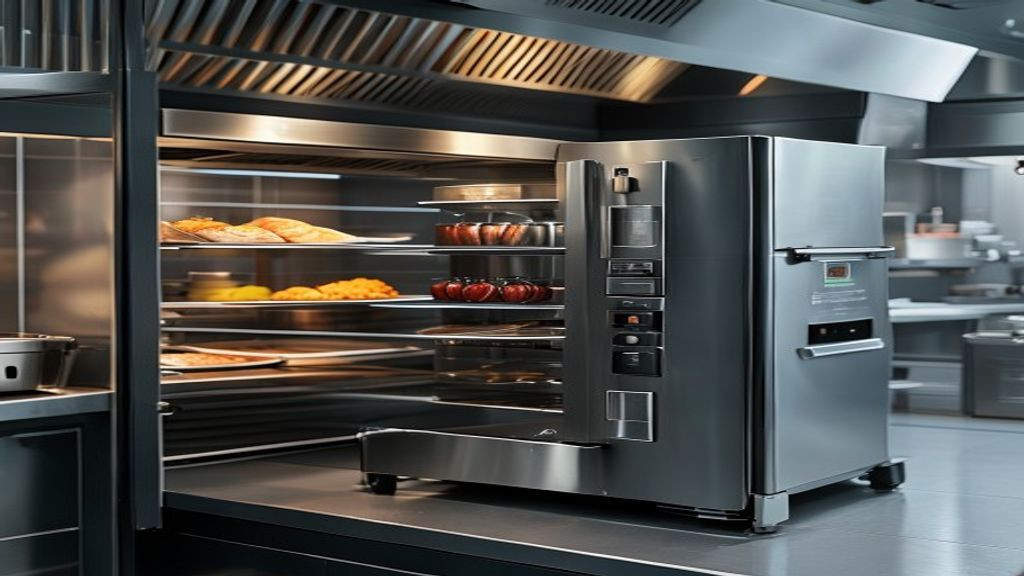
A 72 chef base refrigerator is a workhorse under your cooking line, keeping ingredients cold while giving cooks a solid surface for ranges and griddles. In commercial kitchens, that mix of refrigeration and prep space can save steps and speed service. For more background, see Learn more about 72 chef base refrigerator.
Chef Base Refrigerator Guides walks you through what a 72-inch chef base actually offers—drawers versus doors, cooling power, and fit under common equipment. Whether you run a busy line or outfit a new station, the right unit protects food quality and workflow.
This guide covers key specs, sizing, features worth paying for, and questions to ask before you invest in a 72 chef base refrigerator.
What a 72 Chef Base Refrigerator Is and Who Needs One
A chef base is a low-profile refrigerated cabinet designed to sit under cooking equipment. The 72-inch width typically supports a multi-burner range, griddle, or combination setup while holding proteins, sauces, and mise en place within arm’s reach.
Unlike a standard reach-in, a 72 chef base refrigerator prioritizes drawer access and a reinforced top that can handle the weight and heat of heavy equipment. That makes it ideal for restaurants, hotels, and high-volume prep lines that need cold storage at the point of cook.
Drawers vs. doors on a 72-inch chef base
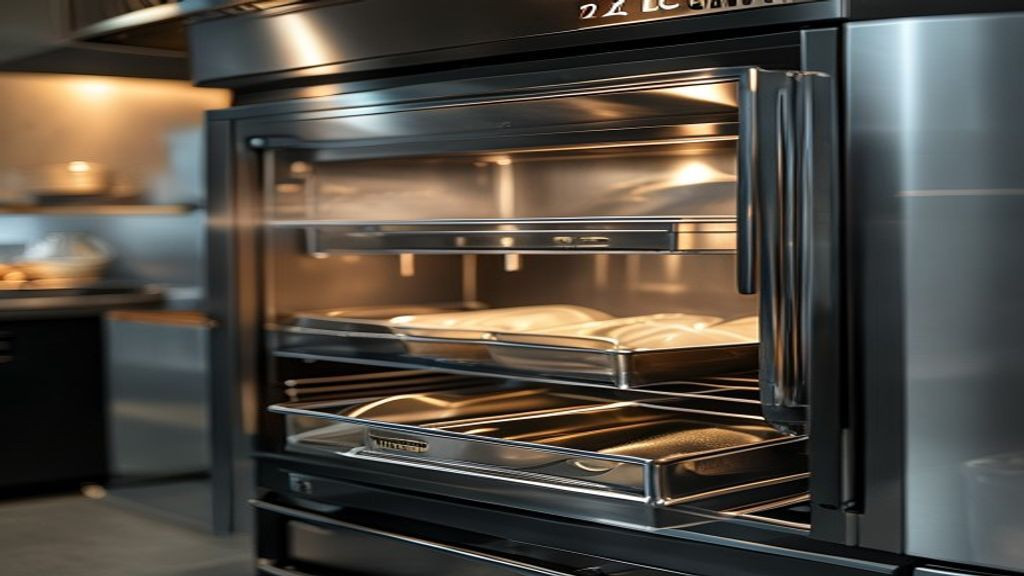
Most 72 chef base refrigerators use pull-out drawers so cooks can grab pans without bending into a deep cabinet. Doors can work for bulk storage, but drawers usually win for speed and organization during rush periods. Confirm drawer count, pan capacity (often hotel pans), and whether drawers lock for overnight security.
Weight capacity and heat considerations
Always match the unit’s top load rating to your range or griddle. Excess weight, poor leveling, or inadequate clearance can stress the cabinet and reduce cooling efficiency. Leave manufacturer-recommended airflow around the condenser and avoid blocking vents with equipment skirts or nearby walls.
Key Specs to Compare Before You Buy
Capacity is only part of the story. Look at holding temperature range, compressor type, evaporator design, and whether the unit is designed for open-kitchen heat. A quality 72 chef base refrigerator should hold food-safe temps even when drawers open frequently.
Energy use, noise, and service access also matter in tight kitchens. Units with easy-to-clean interiors, removable gaskets, and front-breathing designs are often easier to place against a wall or under a low hood.
Interior layout and pan capacity
Check how many full-size or third-size pans each drawer holds and whether dividers are adjustable. A well-planned 72 chef base refrigerator keeps raw proteins separate from ready-to-cook items and reduces cross-contamination risk during busy services.
Cooling performance and recovery time
Ask about recovery after repeated drawer openings. Strong airflow and adequate BTU capacity help the cabinet rebound quickly so product stays in the safe zone. If your line runs hot, prioritize models rated for high-ambient kitchen conditions.
Sizing, Installation, and Daily Care
Measure width, depth, and height carefully, including casters or legs and any splash guards. A true 72 chef base refrigerator needs clear pathways for drawers to open fully and enough clearance for cleaning behind and beneath the unit.
Plan power (usually a dedicated outlet), drain or condensate management if required, and leveling so the top stays true under heavy equipment. Poor install is a common cause of door or drawer seal failure and uneven cooling.
Placement under ranges and griddles
Confirm the cooking equipment footprint matches the chef base top. Use any required spacer or heat shield, keep combustion and ventilation clear, and never block the refrigerator’s intake or exhaust. A stable, level install protects both the cold unit and the cookline above it.
Cleaning and gasket maintenance
Wipe spills daily, clean gaskets weekly, and vacuum condenser coils on the schedule your manufacturer recommends. Fresh seals and clear coils keep a 72 chef base refrigerator efficient and extend compressor life in greasy, high-heat kitchens.
How to Choose the Best Model for Your Kitchen
Start with menu volume: how many pans of protein and prep must live under the line at once? Then match drawer configuration, temperature consistency, and build quality to that demand. Stainless construction, solid drawer slides, and reliable brand service networks usually beat the cheapest sticker price.
Budget for delivery, install, and optional extras like locks, digital controls, or alternate voltage. Compare warranties on the compressor and parts, and read reviews from similar high-heat cookline users before you commit.
Budget vs. long-term value
A durable 72 chef base refrigerator often costs less over time than a bargain unit that struggles in heat or needs frequent service. Factor energy use, downtime risk, and parts availability into the true cost of ownership.
Frequently Asked Questions
What does a 72 chef base refrigerator fit under?
A 72-inch chef base is sized for wide cookline equipment such as multi-burner ranges, large griddles, or paired appliances. Always verify the equipment footprint, weight rating, and any required heat shields before pairing.
How much food storage does a 72 chef base refrigerator usually provide?
Capacity varies by brand, but most 72 chef base refrigerators offer multiple refrigerated drawers designed for hotel pans. Check the manufacturer’s pan chart so you know exactly how many full-, half-, or third-size pans fit per drawer.
Do I need a special electrical outlet for a 72 chef base refrigerator?
Many models use a standard commercial outlet, but amperage and plug type differ. Confirm voltage, NEMA plug, and whether a dedicated circuit is required before install to avoid tripped breakers on a busy line.
Can a 72 chef base refrigerator handle a hot kitchen?
Quality chef bases are built for cookline heat, but performance depends on airflow, ambient rating, and maintenance. Keep coils clean, respect clearance guidelines, and choose a model rated for high-ambient use if your line runs especially hot.
Drawers or doors—which is better on a 72 chef base refrigerator?
Drawers are usually better for speed and organization under a busy range. Doors can suit bulk storage, but drawers let cooks access pans quickly without deep reaching, which is why most chef bases favor that layout.
How often should I clean a 72 chef base refrigerator?
Clean spills daily, wipe gaskets regularly, and service condenser coils per the owner’s manual—often monthly in greasy kitchens. Consistent care keeps temperatures stable and helps the unit last longer.
Conclusion
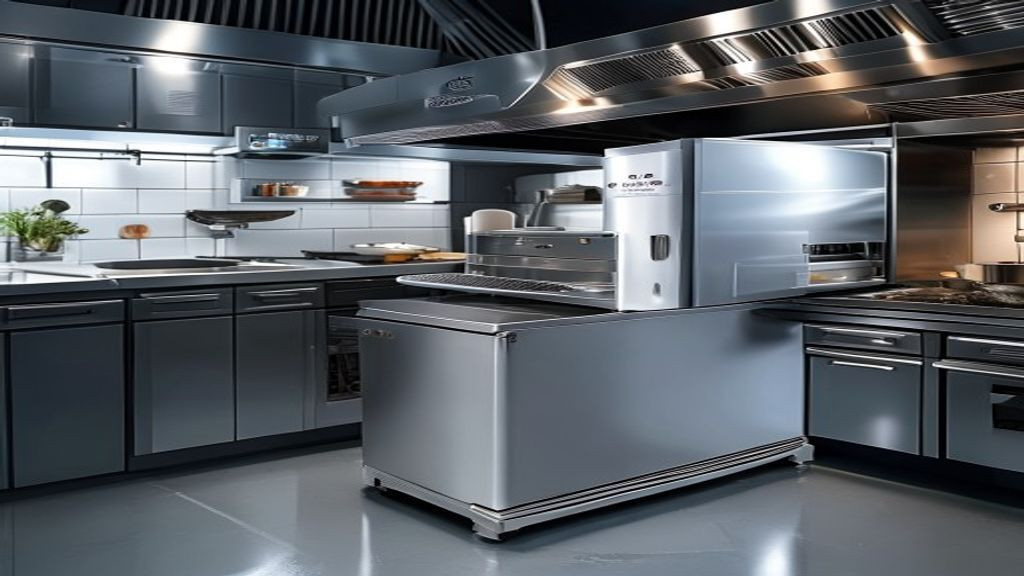
A well-chosen 72 chef base refrigerator keeps ingredients cold at the point of cook while supporting heavy equipment above. Focus on capacity, cooling recovery, weight rating, and service support so the unit matches your real kitchen conditions.
Use this checklist from Chef Base Refrigerator Guides when you compare models, then measure your line carefully before you buy. The right 72 chef base refrigerator will streamline prep, protect food safety, and keep your cookline moving through every rush.
Looking for a ready-to-order option? Explore this 72 chef base refrigerator on HorecaStore.


Comments
Post a Comment