Chef Base Cooler Buying Guide for Busy Kitchens
Chef Base Cooler: How to Choose the Right Undercounter Unit
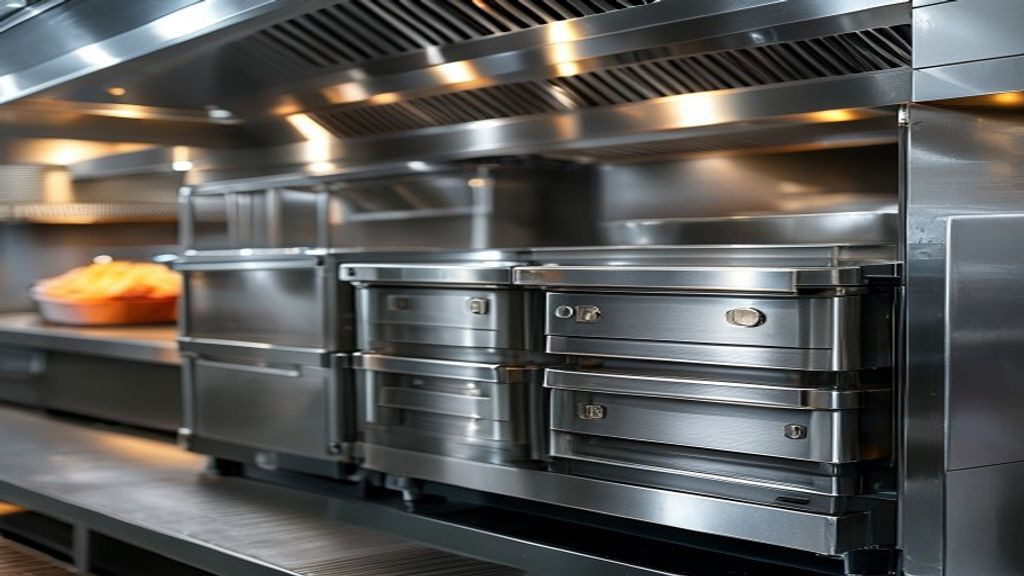
A chef base cooler keeps ingredients cold and within arm’s reach of the cookline, so prep moves faster and less product sits on the counter. For restaurants, cafes, and ghost kitchens, it can replace a bulky reach-in while freeing workspace above for a griddle, charbroiler, or range. For more background, see Learn more about chef base cooler.
Choosing the right model means balancing capacity, drawer count, temperature stability, and the footprint of your line. This Chef Base Refrigerator Guides overview covers what to look for, how to size a unit, and how to keep a chef base cooler running reliably day after day.
What a Chef Base Cooler Is and Why Kitchens Use One
A chef base cooler is a low-profile refrigerated cabinet with drawers or doors, built to support heavy cooking equipment on top. Cold storage sits under the cookline instead of across the kitchen, which shortens steps during rush periods and helps hold proteins, sauces, and garnishes at safe temperatures.
Unlike a standard undercounter fridge, a chef base is engineered for equipment weight, heat from nearby appliances, and frequent drawer access. That design focus makes it a practical upgrade for lines that need both cold holding and a stable equipment platform.
Chef base cooler vs. undercounter refrigerator
An undercounter refrigerator stores food under a counter but is not always rated to hold a hot top or heavy range. A chef base cooler typically includes a reinforced top, stronger slides, and cooling systems sized for warmer ambient conditions near the cookline. If you plan to set equipment on the unit, choose a true chef base rather than a general undercounter fridge.
Best uses on the cookline
High-volume kitchens often stage burger patties, chicken, seafood, sliced cheeses, and mise en place in chef base drawers. Pizza stations, grill lines, and saute stations benefit most because cooks can open a drawer, grab product, and close it without leaving the station.
Key Specs to Compare Before You Buy
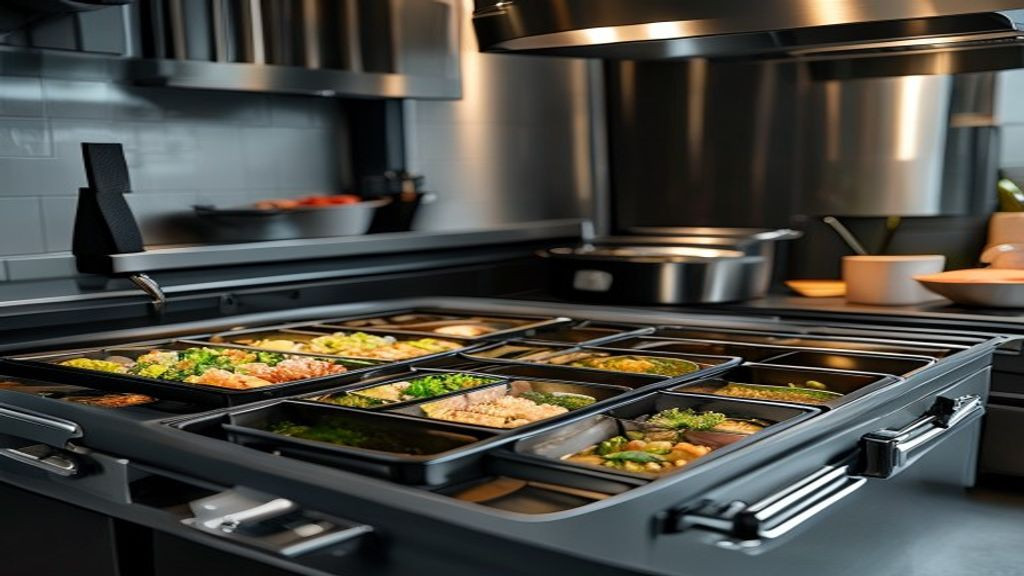
Start with exterior width, depth, and height so the chef base cooler fits under your equipment and clears aisle traffic. Then match drawer or door configuration to how your team works: drawers favor portioned pans and fast pulls; doors can suit bulk pans and taller containers.
Also compare BTU or compressor strength, evaporator design, and listed temperature range. A unit that holds product in the safe refrigerated zone under load will protect food quality better than a cheaper box that struggles when drawers open all night.
Capacity, drawers, and pan layouts
Look at cubic feet and how many full-size or third-size pans each drawer accepts. Confirm rail spacing, drawer depth, and whether pans sit front-to-back or side-to-side. A layout that mirrors your prep pans reduces transfer time and keeps inventory organized by station.
Cooling performance and build quality
Stainless exteriors, durable drawer tracks, and well-sealed gaskets matter in a chef base cooler that opens constantly. Prefer models with accessible condensers for cleaning, strong casters or adjustable legs, and clear warranty coverage on the compressor and parts.
Sizing, Placement, and Daily Care Tips
Measure your cookline carefully, including utility connections, legs, and clearance behind the unit for ventilation. Leave space for airflow so the compressor does not overheat, and confirm the top load rating before setting a range, griddle, or charbroiler on the chef base.
Plan electrical needs early. Many commercial units need a dedicated circuit, and some wider models draw more amps than a standard outlet can support. Correct placement and power setup prevent short cycling and early compressor wear.
Installation and workflow setup
Position the chef base cooler so drawers open fully without blocking traffic or neighboring equipment doors. Label drawers by product category, keep raw proteins below ready-to-eat items when possible, and stage only what the shift needs so cold air recovers faster after each open.
Cleaning and temperature checks
Wipe spills daily, clean gaskets, and vacuum condenser coils on a regular schedule. Check internal temperatures with a calibrated thermometer, especially during peak service. Prompt gasket replacement and coil cleaning are two of the highest-impact habits for long chef base cooler life.
Cost, Value, and When to Upgrade
Price varies with width, drawer count, brand reputation, and energy efficiency. A higher upfront cost can pay off through stronger cooling under heat load, smoother drawer hardware, and fewer service calls during busy seasons.
Upgrade when drawers stick, temperatures drift, capacity no longer matches menu volume, or the top cannot safely support planned equipment. Replacing an undersized or failing unit often improves both food safety and ticket times.
Questions to ask before purchase
Ask about top load capacity, warranty length, parts availability, energy use, and whether the model is designed for high-ambient kitchens. Confirm lead times for drawers and gaskets, and ask your dealer which chef base cooler sizes match the equipment footprint you already own.
Frequently Asked Questions
What is a chef base cooler used for?
A chef base cooler stores refrigerated ingredients under the cookline while supporting cooking equipment on top, so cooks can grab cold product without leaving the station.
How cold should a chef base cooler stay?
Most commercial chef base coolers should hold food at or below 41°F. Verify performance with a thermometer during service, not only at startup.
Can I put a grill or range on a chef base cooler?
Yes, if the unit is a true chef base rated for that equipment weight and heat. Always check the manufacturer’s top load rating and installation clearances before placing heavy appliances.
Are drawers or doors better on a chef base cooler?
Drawers are usually better for fast, portioned access on a busy line. Doors can work well for bulk pans or taller containers, depending on your prep style.
How often should I clean a chef base cooler?
Clean spills daily, wipe gaskets regularly, and clean condenser coils on a recurring schedule recommended by the maker—often monthly in dusty or high-grease kitchens.
What size chef base cooler do I need?
Match width to the equipment above it, then choose capacity and drawer count based on menu volume. Measure the line carefully and leave room for ventilation and full drawer travel.
Conclusion
A well-chosen chef base cooler keeps cold storage exactly where your team works, supports cookline equipment, and helps protect food safety during peak hours. Focus on fit, cooling strength, drawer layout, and maintenance access rather than price alone.
Use this Chef Base Refrigerator Guides checklist to compare models side by side, then select a chef base cooler that matches your menu, footprint, and service pace. The right unit can streamline prep and keep your line moving with less wasted motion.
Looking for a ready-to-order option? Explore this chef base cooler on HorecaStore.


Comments
Post a Comment