Chef Bases Buying Guide for Busy Commercial Kitchens
Chef Bases: The Complete Guide for Commercial Kitchens
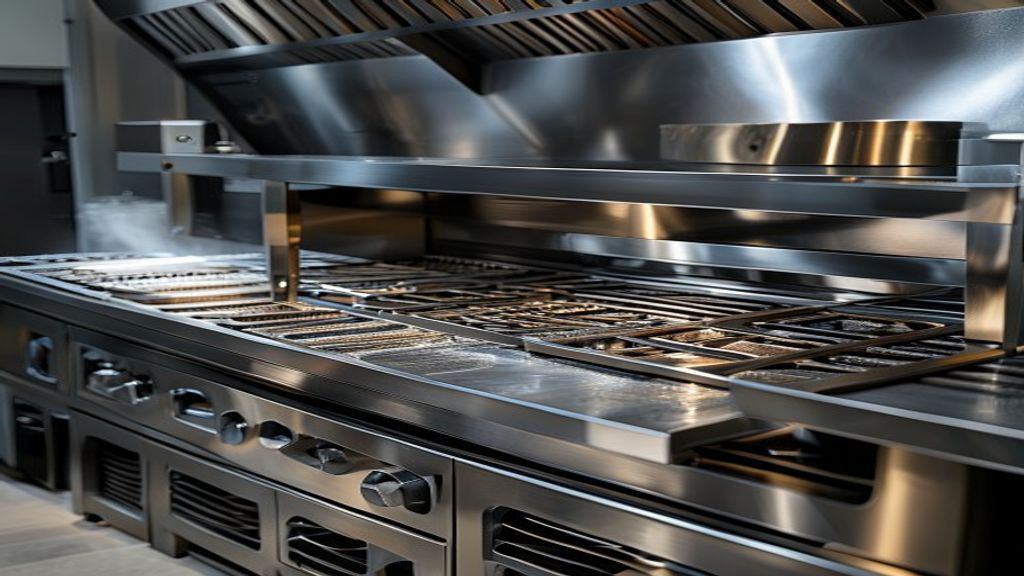
Chef bases are the workhorse under many prep stations: refrigerated drawers or cabinets that store proteins, sauces, and mise en place while the top surface holds a flat-top, fryer, or prep table. When chosen well, they cut walking time, protect food safety, and keep peak service flowing. For more background, see Learn more about chef bases.
Whether you run a line cook station, a sandwich shop, or a high-volume grill, the right chef bases turn wasted floor space into cold storage that stays within arm’s reach. This guide explains what they are, how to size them, which features matter, and how to keep them performing for years.
What Are Chef Bases and Why Do Kitchens Rely on Them?
Chef bases are low-profile refrigerated cabinets built to sit under cooking or prep equipment. Most models use heavy-duty drawers or doors, stainless steel construction, and compressors sized for constant kitchen heat. Their job is simple: keep cold product at the cook’s station instead of in a walk-in across the kitchen.
That proximity is the real value. Fewer trips mean faster tickets, less temperature abuse on proteins, and cleaner workflow during rushes. For many operators, chef bases pay for themselves through labor savings and reduced spoilage.
Chef bases vs. undercounter refrigerators
Undercounter refrigerators are usually freestanding cold storage with a working top. Chef bases are engineered to support heavy equipment on top—griddles, charbroilers, pasta cookers—and often include reinforced tops, caster options, and drawer layouts tuned for hotel pans and protein trays.
Common uses on the cook line
Typical loads include burgers, chicken, seafood, bacon, sliced cheeses, and portioned sauces. Grill and sauté stations benefit most, but pizza, breakfast, and finishing stations use chef bases just as effectively when space is tight.
How to Choose the Right Chef Bases for Your Menu
Start with what you cook and how often you restock. A burger line needs deep drawers for packed pans; a seafood station may need tighter temperature control and corrosion-resistant interiors. Match capacity to your busiest hour, not your average day, so you are not constantly refilling mid-service.
Next, confirm the footprint under your equipment. Measure width, depth, and height clearance for utilities and ventilation. Leave room for compressor airflow and for drawers or doors to open fully without blocking traffic.
Size, drawers, and pan capacity
Two-, three-, and four-drawer configurations are common. Check whether drawers accept full, half, or third-size pans, and whether they hold pans deep enough for your portions. Look for telescoping slides rated for full loads so drawers do not sag when packed.
Temperature performance and build quality
Choose units with reliable digital controls, strong insulation, and compressors suited to hot kitchens. Stainless exteriors and interiors clean faster and resist rust. Ask about warranty coverage on the compressor and parts, especially if your kitchen runs long shifts.
Installation, Placement, and Daily Use Best Practices
Place chef bases on a level surface with clear intake and exhaust paths. Heat from nearby ovens or fryers can force the unit to work harder, so give compressors breathing room and avoid blocking vents with carts or boxes. If the base supports heavy equipment, confirm the top load rating before installing a griddle or broiler.
During service, keep drawers closed except when pulling product. Overfilling blocks airflow and creates warm spots. Label pans, rotate stock first-in first-out, and keep raw proteins separated from ready-to-eat items when your layout allows.
Cleaning and food safety habits
Wipe spills promptly, clean gaskets so doors seal, and schedule condenser coil cleaning based on kitchen grease load. Hold cold product at safe temperatures, use calibrated thermometers for spot checks, and remove product during deep cleans so interiors can be sanitized thoroughly.
Maintenance Tips That Extend the Life of Chef Bases
Preventive care keeps chef bases cold and quiet. Listen for unusual compressor noise, watch for frost buildup, and check that drawers close squarely on their gaskets. Small issues—like a warped gasket or dusty coil—become temperature swings if ignored.
Build a simple monthly checklist: clean coils, inspect casters and leveling legs, test temperature readouts against a known thermometer, and verify that drawer slides move freely. Partner with a refrigeration tech for annual service if your volume is high.
When to repair vs. replace
Repair makes sense for worn gaskets, failing fans, or aging controls on an otherwise solid cabinet. Replacement is wiser when the compressor is failing repeatedly, energy use has spiked, or the cabinet no longer holds safe temperatures under normal load.
Frequently Asked Questions
What are chef bases used for in a commercial kitchen?
Chef bases provide refrigerated storage directly under cooking or prep equipment so cooks can keep proteins, dairy, and mise en place within reach without constant walk-in trips.
Can you put a griddle or fryer on top of chef bases?
Many chef bases are built to support heavy equipment, but you must verify the manufacturer’s top load rating, heat clearance, and installation guidelines before placing a griddle, charbroiler, or similar unit on top.
How cold should chef bases stay during service?
Aim for safe refrigerated holding, typically at or below 41°F (5°C) for most perishable foods. Confirm with your local health code and verify with a calibrated thermometer, not only the unit’s display.
Are drawer chef bases better than door models?
Drawers are often better for line cooks who need fast access to pans without opening a full cavity. Door models can offer more flexible shelf storage. Choose based on your pan workflow and station layout.
How often should I clean the condenser on chef bases?
In greasy or dusty kitchens, inspect coils monthly and clean as needed—sometimes every 30 to 90 days. Restricted airflow is one of the most common causes of warm cabinets and early compressor failure.
What size chef bases do I need for a busy grill station?
Size to your peak demand: count pans of burgers, chicken, and toppings you need on hand for your busiest hour, then choose drawer count and pan depth that hold that load with a little reserve for restocking.
Conclusion
Chef bases turn the space under your cook line into cold storage that supports speed, consistency, and food safety. When you match capacity, construction, and temperature performance to your menu, the station stays stocked and tickets move faster.
Use this guide to measure your footprint, compare drawer layouts, and set a cleaning routine that protects your investment. Explore more reviews and sizing tips from Chef Base Refrigerator Guides before you buy, so your next chef bases fit the way your kitchen actually works.
Looking for a ready-to-order option? Explore this chef bases on HorecaStore.


Comments
Post a Comment