Commercial Chef Bases: Buyer's Guide for Kitchens
Commercial Chef Bases: The Complete Buyer's Guide
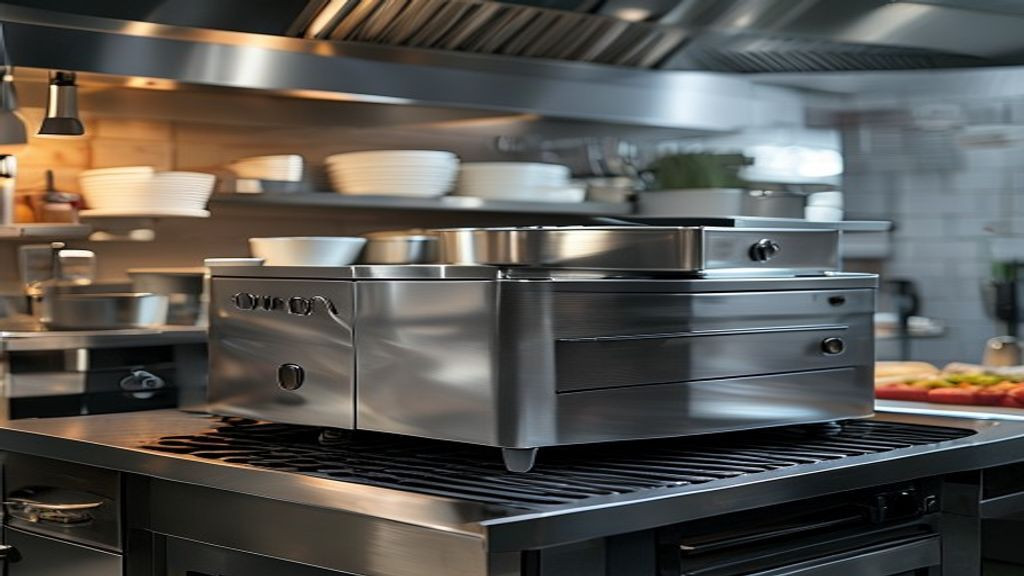
Commercial chef bases keep ingredients cold and within arm's reach of the cookline. For busy restaurants, hotels, and commissaries, the right undercounter refrigerator can cut steps, protect food safety, and speed service during rush periods. For more background, see Learn more about commercial chef bases.
This guide from Chef Base Refrigerator Guides explains how commercial chef bases work, which features matter most, and how to match capacity, drawers, and airflow to your menu and kitchen layout.
What Are Commercial Chef Bases?
Commercial chef bases are low-profile refrigerated cabinets designed to sit under cooking equipment such as griddles, charbroilers, and ranges. Instead of walking to a reach-in, cooks pull drawers or open doors for proteins, sauces, and mise en place.
Most units use forced-air refrigeration, stainless exteriors, and heavy-duty drawers rated for frequent opening. They are built for commercial kitchens where heat, grease, and constant traffic demand durable construction and consistent holding temperatures.
Chef bases vs. standard undercounter refrigerators
A standard undercounter fridge stores food under a worktop. A chef base is engineered to support hot cooking equipment on top while still cooling drawers below. Look for reinforced tops, heat-resistant seals, and airflow designed for high-ambient cookline conditions.
Where chef bases deliver the most value
High-volume grill, sauté, and breakfast lines benefit most. When cooks can grab portioned product without leaving the station, ticket times drop and temperature abuse is easier to control.
Key Features to Compare Before You Buy
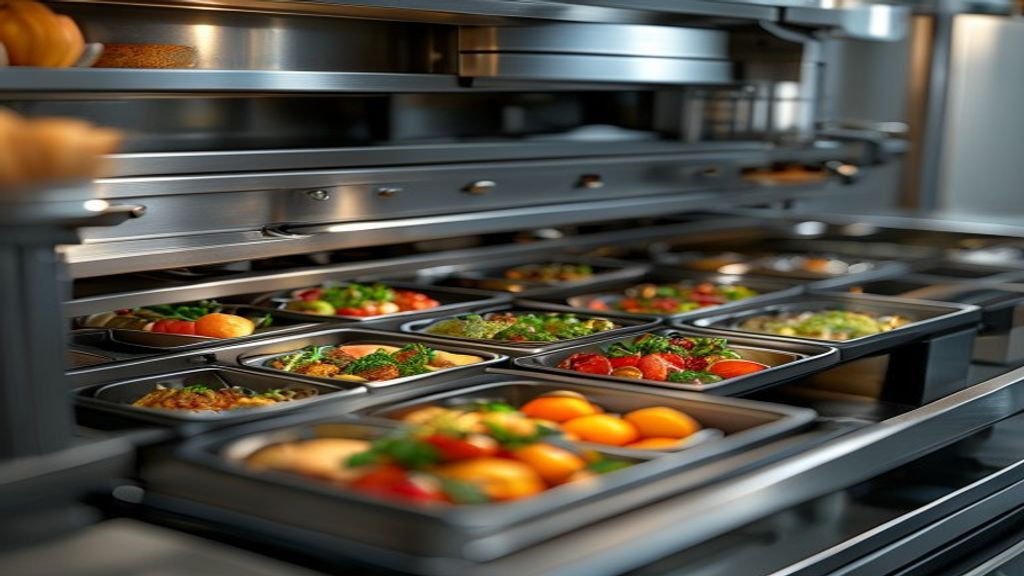
Not every commercial chef base fits every cookline. Prioritize cooling performance, drawer configuration, footprint, and service access so the unit supports your menu without creating bottlenecks.
Also confirm electrical requirements, clearance for condensers, and whether the top can safely support the weight of your range or griddle.
Drawers, doors, and capacity
Drawer models give fast access to pans and proteins; door models can suit bulk storage. Match pan layouts to your prep system, and verify usable cubic feet rather than relying on marketing claims alone.
Cooling power and build quality
Choose commercial-grade compressors, strong drawer slides, and stainless interiors that clean quickly. Units designed for hot kitchens should hold safe temps even when drawers open often during service.
How to Size and Place Commercial Chef Bases
Measure the cookline carefully: width of the cooking equipment, depth of the aisle, and any hood or wall constraints. The chef base should align under the equipment without blocking casters, utilities, or cleaning access.
Plan for ventilation around the condenser and leave room for drawer pull-out. Poor placement is a common cause of warm product and premature compressor wear.
Matching the base to your cooking equipment
Confirm the top load rating and mounting guidance from both the chef base and equipment makers. Uneven weight distribution or heat transfer can damage seals and reduce cooling efficiency.
Buying Tips, Maintenance, and Cost Factors
Price should reflect durability, warranty coverage, parts availability, and energy use—not just list capacity. A slightly higher upfront cost often pays off when drawers stay aligned and temperatures remain stable.
Train staff to close drawers fully, clean gaskets, and keep vents clear. Simple daily habits protect food quality and extend the life of commercial chef bases.
Maintenance checklist for long service life
Wipe spills promptly, inspect drawer gaskets monthly, clean condenser coils on schedule, and watch for frost, warm spots, or unusual compressor cycling. Address issues early to avoid food loss and downtime.
Budgeting beyond the sticker price
Factor in installation, electrical work, potential hood adjustments, energy consumption, and warranty terms. Reliable local service support can matter as much as brand reputation.
Frequently Asked Questions
What temperature should commercial chef bases hold?
Most commercial chef bases are designed to hold refrigerated product at safe cold-holding temperatures, typically around 33°F to 41°F. Always verify the manufacturer's stated range and monitor with a calibrated thermometer during service.
Can I put a range or griddle on top of a chef base?
Yes, that is the intended use for many commercial chef bases, but only if the unit's top load rating and installation instructions support your equipment. Confirm weight limits, heat considerations, and leveling requirements before install.
Are drawer or door chef bases better?
Drawers are usually better for cookline speed and organized pan storage. Doors can work for bulk items or less frequent access. Choose based on how your cooks stage ingredients during peak periods.
How often should I clean a commercial chef base?
Clean interior surfaces and spills daily, wipe gaskets regularly, and clean condenser coils according to the manufacturer's schedule—often monthly in greasy cookline environments. Consistent cleaning protects airflow and food safety.
What size commercial chef base do I need?
Size the unit to the width of your cooking equipment and the amount of refrigerated mise en place you need at the station. Measure aisle clearance for open drawers and avoid buying only by exterior width.
Do commercial chef bases need special electrical service?
Many models use standard commercial voltages, but requirements vary by brand and size. Check the data plate for voltage, amperage, and plug type, and have a qualified technician confirm circuit capacity before purchase.
Conclusion
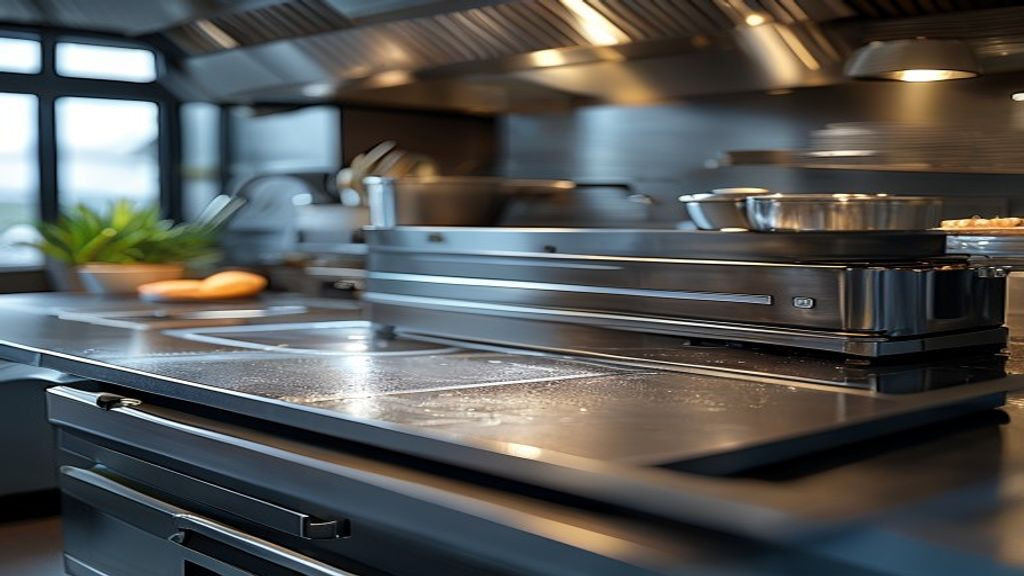
Commercial chef bases are a practical way to keep cold storage on the cookline without sacrificing workflow or food safety. When you match drawers, capacity, cooling power, and placement to your menu, service becomes faster and more consistent.
Use this Chef Base Refrigerator Guides checklist to compare models, confirm load ratings, and plan maintenance before you buy. The right unit will support your kitchen through busy services for years.
Looking for a ready-to-order option? Explore this commercial chef bases on HorecaStore.


Comments
Post a Comment