True Chef Base Refrigerator Buying Guide
True Chef Base Refrigerator: What to Know Before You Buy
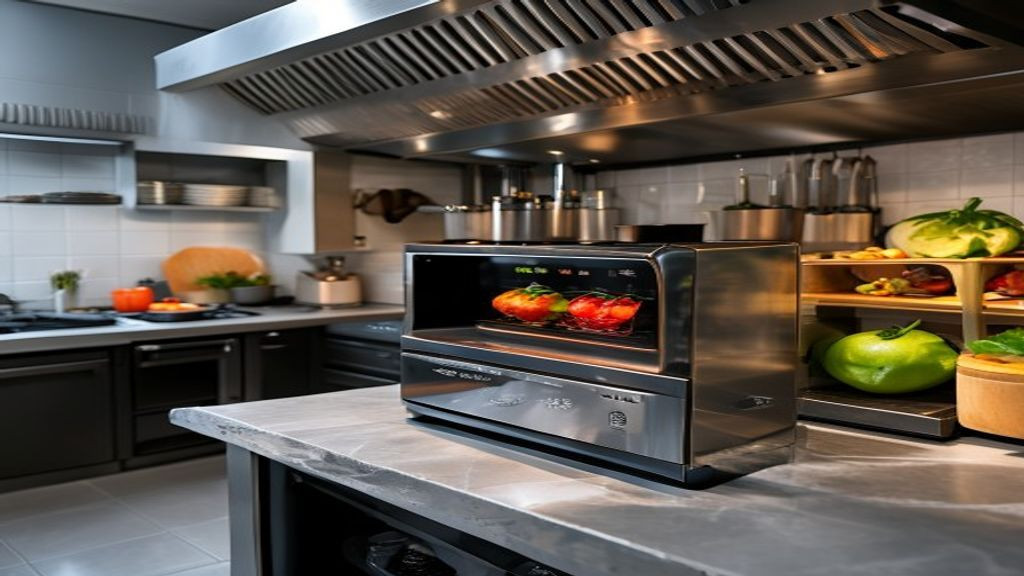
A true chef base refrigerator puts cold storage right under your cooking line, so chefs can grab prep ingredients without leaving the cooktop. For busy commercial kitchens, that short reach can cut steps, speed service, and keep proteins and produce at safe holding temperatures. For more background, see Learn more about true chef base refrigerator.
If you are shopping for a true chef base refrigerator, you need more than a model number. Capacity, drawer layout, temperature control, and build quality all affect daily workflow and long-term cost.
This guide from Chef Base Refrigerator Guides explains how these units work, which features matter most, and how to choose a setup that fits your menu and floor plan.
What Is a True Chef Base Refrigerator?
A true chef base refrigerator is a low-profile undercounter unit designed to sit beneath a range, griddle, or other cooktop equipment. Instead of a tall reach-in, it uses drawers or doors at waist to knee height so cooks can store chilled items at the point of use.
Many kitchens choose a true chef base refrigerator because it combines refrigeration and a sturdy work surface support in one footprint. That dual role helps maximize limited line space without sacrificing cold holding capacity.
How it differs from standard undercounter units
Standard undercounter refrigerators often prioritize general storage and may not be rated to support heavy cooking equipment on top. A true chef base refrigerator is typically built with a reinforced top and chassis so ranges and similar gear can sit securely above the cold base.
Who benefits most from this format
High-volume restaurants, hotels, and institutional kitchens with tight cook lines gain the most. If your team constantly walks to a distant cooler for mise en place, a true chef base refrigerator can reduce travel time and keep the line better organized.
Key Features to Compare Before You Buy
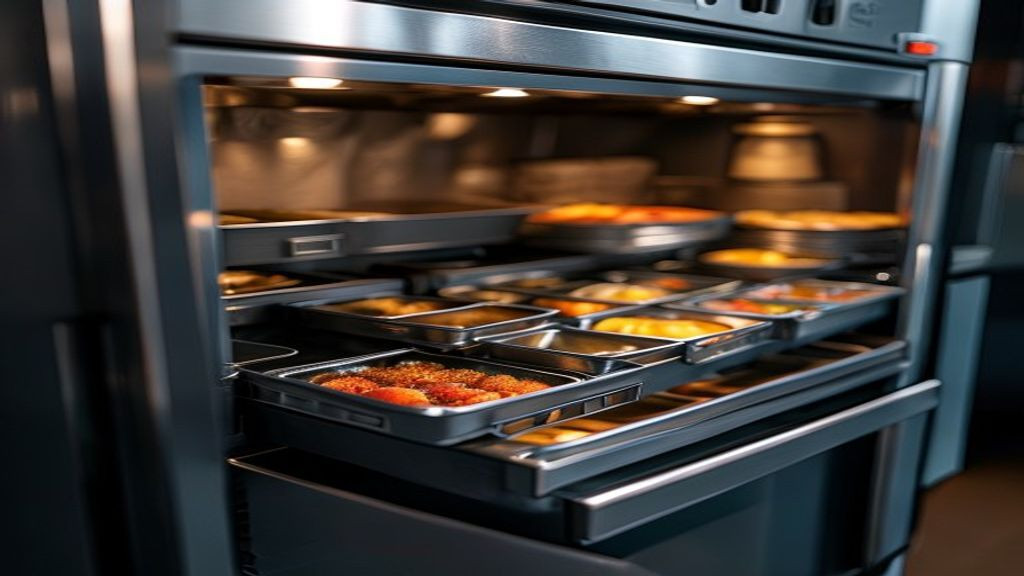
Not every true chef base refrigerator is built for the same menu or volume. Focus on storage layout, cooling performance, materials, and service access so the unit matches how your kitchen actually works.
Spend time matching drawer or door configuration to the products you hold most often. Frequent-access proteins usually belong in drawers, while bulk pans and backup stock may fit better behind doors.
Capacity, drawers, and pan compatibility
Check interior volume and whether drawers accept hotel pans in the sizes your prep team uses. A well-planned true chef base refrigerator should hold a full service set of proteins, sauces, and garnishes without overcrowding airflow.
Temperature control and daily reliability
Look for precise digital controls, strong insulation, and a refrigeration system sized for hot kitchen conditions. Consistent holding temperatures protect food quality and help your true chef base refrigerator stay compliant during busy service.
Sizing, Placement, and Installation Tips
Measure your cook line carefully before ordering a true chef base refrigerator. Confirm width, depth, height clearance, and the weight your base must support once the range or griddle is installed.
Leave room for ventilation and service access. Crowding the condenser or blocking airflow can raise energy use and shorten equipment life, especially in a hot kitchen.
Power, drainage, and kitchen workflow
Confirm electrical requirements early and plan drawer swing paths so staff can open storage without blocking traffic. A true chef base refrigerator only improves efficiency when placement supports a clean pass from cold storage to the cooking surface.
Maintenance and Longevity Best Practices
Routine care keeps a true chef base refrigerator running cooler and longer. Clean condenser coils on a schedule, wipe door gaskets, and avoid packing drawers so tightly that cold air cannot circulate.
Train staff to close drawers fully and report temperature alarms quickly. Small habits prevent product loss and reduce emergency repair calls during peak hours.
What to track after installation
Log holding temperatures, note unusual noise or icing, and schedule preventive service. Tracking these details helps you spot issues before a true chef base refrigerator fails during service.
Frequently Asked Questions
What is a true chef base refrigerator used for?
It stores refrigerated ingredients directly under cooking equipment so chefs can access proteins, produce, and prep items without leaving the cook line.
Can I put a heavy range on a true chef base refrigerator?
Many models are built to support cooking equipment, but you must verify the manufacturer weight rating and match it to your range or griddle before installation.
Are drawers better than doors on a true chef base refrigerator?
Drawers are often better for frequent access and organized pan storage, while doors can suit bulk items. Choose based on how your team works during service.
How do I keep a true chef base refrigerator efficient in a hot kitchen?
Keep condenser coils clean, maintain clearance for airflow, avoid overpacking drawers, and monitor temperatures regularly so the unit does not work harder than needed.
What size true chef base refrigerator should I buy?
Match width to your cooktop line, then choose capacity based on menu volume and how many hotel pans you need chilled at the point of use.
Is a true chef base refrigerator worth it for a small kitchen?
Yes, if under-line storage frees walk-in trips and improves speed. In tight spaces, consolidating cold storage and equipment support can be a strong efficiency upgrade.
Conclusion
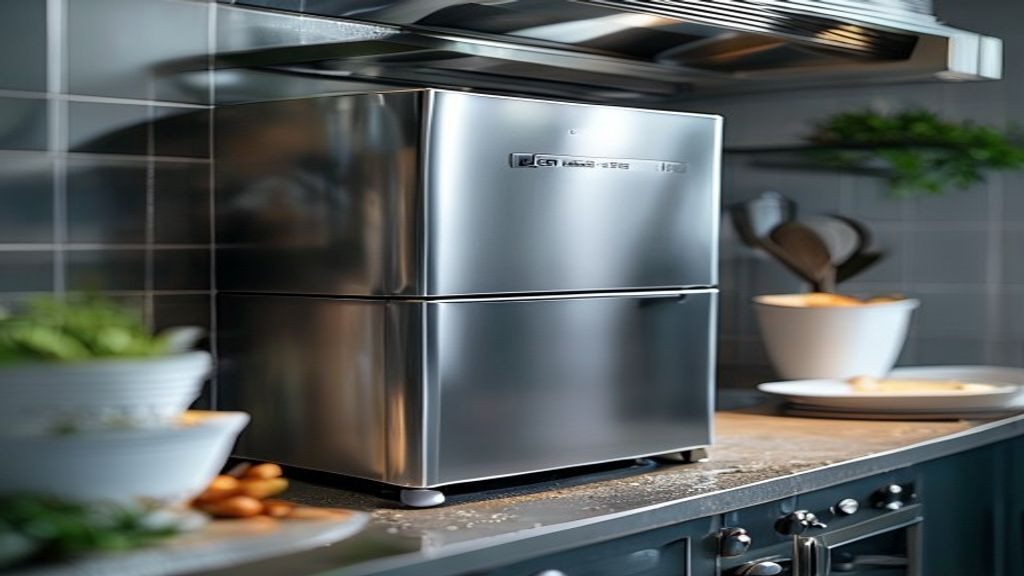
A true chef base refrigerator is one of the smartest ways to add cold storage without expanding your footprint. When you match capacity, support rating, and layout to your menu, the cook line becomes faster and more organized.
Use this guide from Chef Base Refrigerator Guides to compare models with confidence, then measure your line and shortlist units that fit your workflow, budget, and service goals.
Looking for a ready-to-order option? Explore this true chef base refrigerator on HorecaStore.


Comments
Post a Comment